Human trafficking is a pervasive issue that extends beyond big cities, reaching even the smallest communities. In close-knit towns, economic challenges, social isolation and limited access to help can render individuals vulnerable to exploitation.
“Human trafficking involves force, fraud or coercion, robbing individuals of their choice and dignity,” said Brenda Bayer, anti-human trafficking advocate with The Women’s Community in Wausau. “It’s an invisible crime that is challenging to identify, making awareness our first line of defense. Anyone who may come in contact with victims, from law enforcement to health care workers, needs to recognize the signs.”
A recent study revealed that of 173 U.S. victims of human trafficking surveyed, 68% had sought medical care at least once while being trafficked, with emergency or urgent care facilities being the most frequently visited.
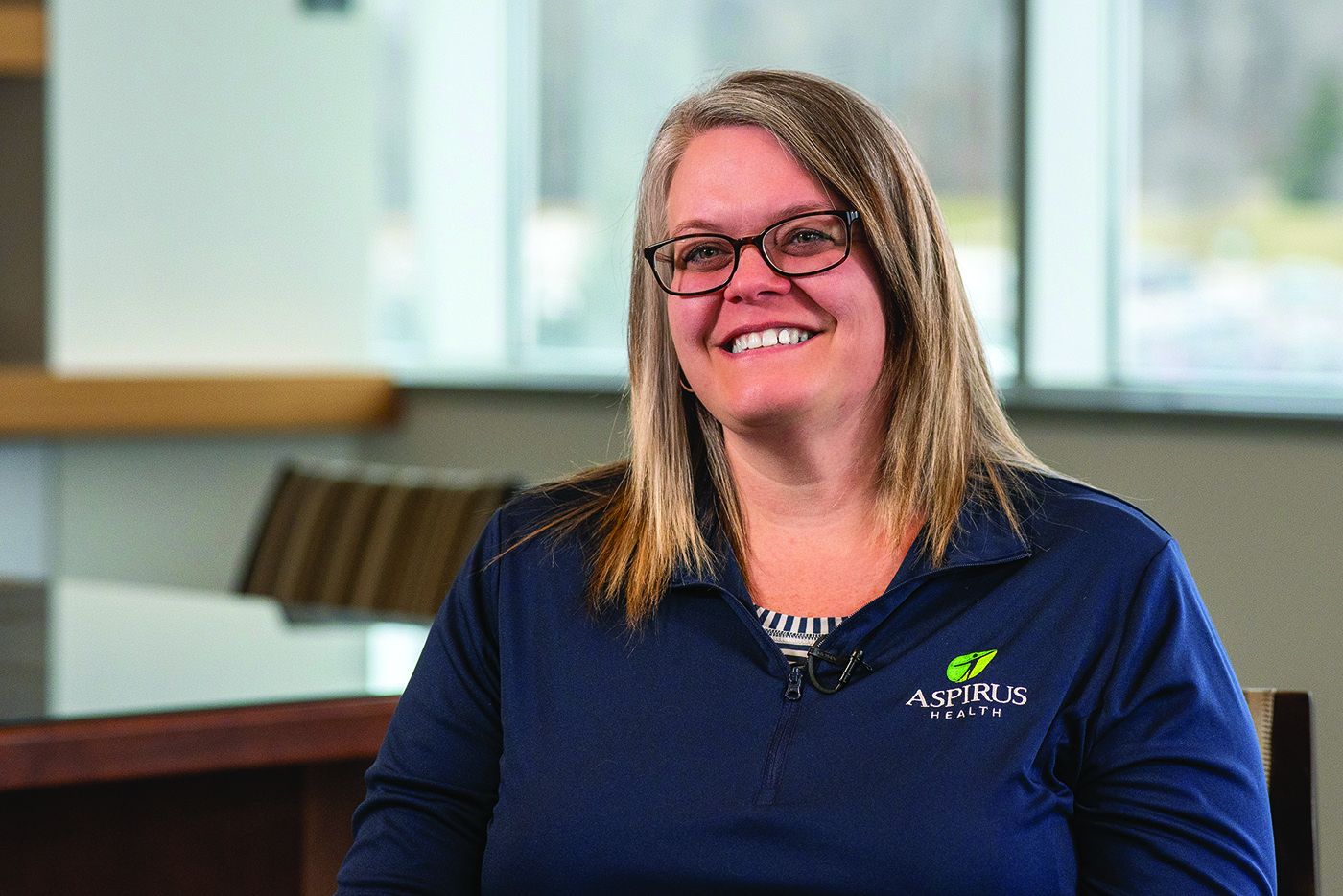
At Aspirus emergency departments, registered nurse and Sexual Assault Nurse Examiner (SANE) coordinator Amy Riegert spearheads efforts to identify potential trafficking victims.
“Each patient is screened for abuse, including trafficking indicators,” she said. “Once identified, our job is to ensure patient safety and provide necessary resources tailored to the unique needs of each individual. Our goal is to create a safe space for them, so when they are ready to report, they can come to Aspirus for the help they need.”
While red flags and signs exist, the crime may not always be easily recognizable without a deeper understanding of an individual’s situation and general knowledge of power dynamics, the impacts of violence and the loss of choice or freedom. Bayer suggests that being alert to changes in behavior, demeanor or attendance can be telltale signs that someone may be a victim.
The Women’s Community stands ready with trained advocates offering services and information referrals through their 24/7 confidential hotline at 715-842-7323 or 888-665-1234.
Additionally, the National Human Trafficking Hotline is available at 888-373-7888, through text at 233733 or via live chat at https://humantraffickinghotline.org/en. In case of immediate danger, call 911.
For information on combating human trafficking and supporting those affected by it, visit https://healtrafficking.org.
Health professionals, community advocates collaborating against human trafficking