

Wisconsin’s forests cover nearly 17 million acres of public and private forested land, about half of the state’s land. Many of those forests provide raw material to the forest products industry.
One of the key forests is the one on the Menominee Indian Reservation. Menominee Tribal Enterprises manages about 235,000 acres of forested land there.
MTE is the tribally chartered business and forest management arm of the Menominee Indian Tribe of Wisconsin, headquartered in Neopit.
“MTE uses sustained-yield forest management, with harvest limits and ongoing monitoring to support the forest’s long-term health and productivity,” said Jennifer Peters, MTE president. “Our foresters develop management plans based on the needs of individual forest stands, considering tree species, age, growing conditions and regeneration. We use different harvesting methods depending on what will best support a healthy, diverse forest.”
The sustained-yield management philosophy, established in 1890, means harvesting mature, sick and fallen trees while ensuring the forest regenerates.
More than 2.5 billion board feet of timber have been harvested since 1854, yet the forest currently has more standing timber volume than it did when management began.
“What distinguishes MTE is the connection between forest management and the Menominee people’s responsibility to their homeland,” Peters said. “Our decisions consider the forest’s cultural and ecological importance alongside its economic value. We are managing a resource that must continue to support the community for generations.”
About 1,000 Wisconsin companies are involved in the forest products industry, plus about 270 more companies in logging and forestry support sectors. Wisconsin ranks first in the nation in papermaking and has held that top spot for more than 70 years.
“From paper products such as food packaging, fine writing paper and toilet paper to lumber used to build homes, flooring and furniture, we depend on forest products daily,” said Scott Lyon, Wisconsin Department of Natural Resources forest products team leader. “Then there’s firewood and fiberboard, wood chips and charcoal, tissues and telephone poles. And don’t forget all the delicious fruits, nuts and maple syrup.”
In Wisconsin, trees also grow jobs and industry.
Data analyzed by the DNR show that the state’s forest products business directly generates $27.8 billion in forestry goods annually and supports the employment of more than 55,000 Wisconsinites. Overall, the total economic value to Wisconsin is reported to be $43.5 billion, supporting 127,000 jobs statewide.
“MTE supports approximately 160 jobs, including employees and logging contractors,” Peters said. “Those jobs help families earn a living close to home and support businesses throughout the surrounding area through household spending, equipment purchases, supplies, transportation and other services.”
Forestry’s economic impact reaches every corner of the state. According to data analyzed by the DNR, jobs related to forest products make up 11% of all manufacturing jobs statewide.
Forest products also play a vital role in mitigating the effects of a changing climate. Trees store carbon, offsetting greenhouse gas emissions while growing and retaining the stored carbon throughout the useful life of forest products.
“Our guiding principle is to put the forest first, followed by our people and profitability,” Peters said. “A healthy forest supports everything we do. The Menominee people have cared for this resource for generations, and our responsibility is to continue that stewardship while providing jobs and economic opportunities today. Success means making decisions that allow future generations to benefit from the same forest that supports us.”
Through the use of sustainable forestry practices, trees are grown and harvested responsibly, providing the economic, social and ecological benefits of forest products today and for future generations.
“One of the draws of forest products made with Wisconsin wood is the story that product tells — whether it’s a bench from urban trees that fell during a storm, a baseball bat made from Wisconsin ash or a pint of maple syrup from a backyard,” said Carmen Hardin, DNR Applied Forestry Bureau director. “Wisconsin wood products tell a story and connect Wisconsinites to our forests.”
Peters agreed.
“Our impact also extends beyond employment,” she said. “We support community activities, including our community corn roast and contributions to Shop with a Cop. MTE’s role is to create economic opportunity while maintaining the forest and the community’s connection to it.”
The commercial sawmill in Neopit was authorized in 1908, surviving tribal termination eras and reorganizing under modern tribal charter.
kpasson@newmedia-wi.com
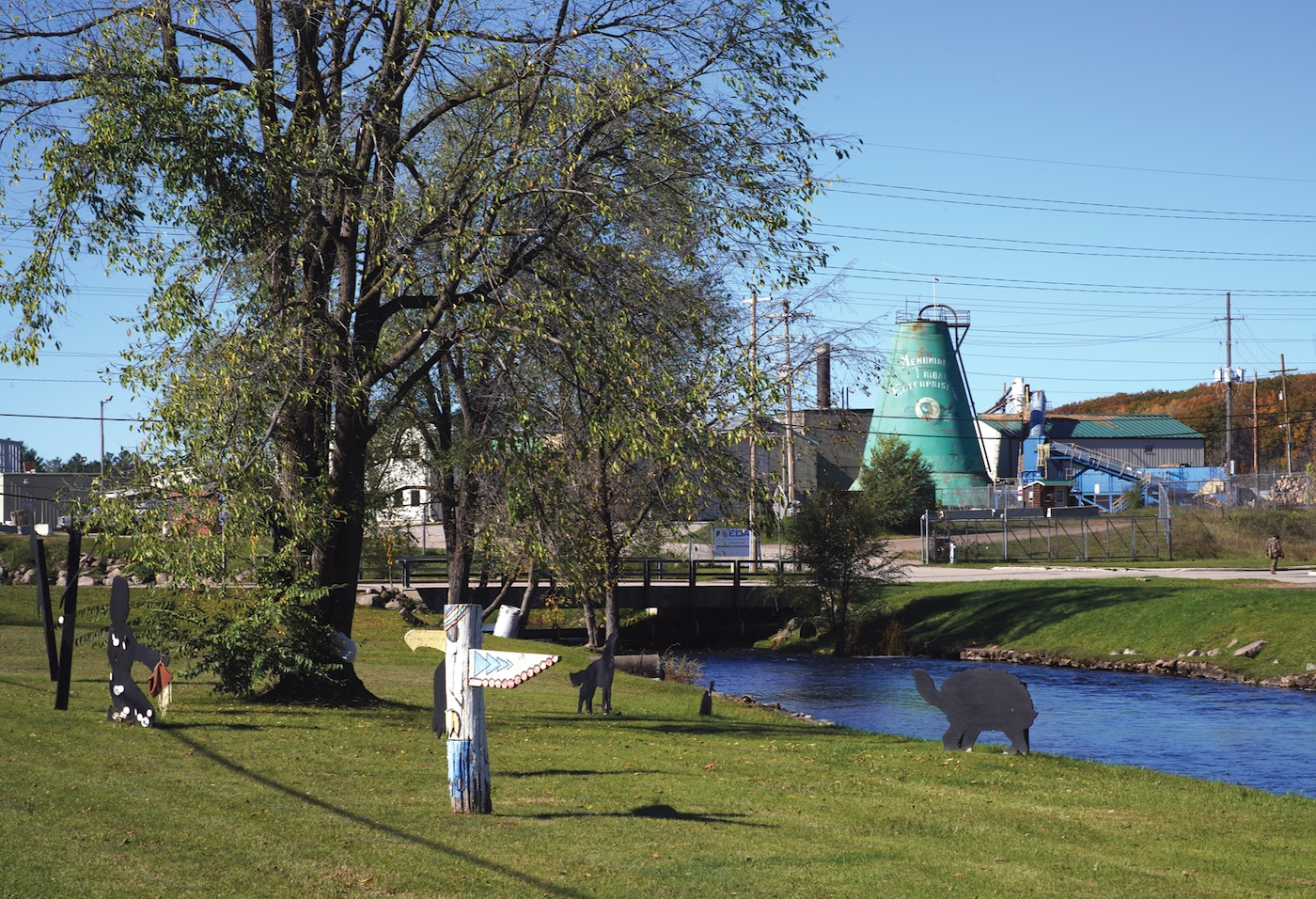
The land ethic that guides Menominee Tribal Enterprises is based on the words of Chief Oshkosh: “Start with the rising sun and work toward the setting sun, but take only the mature trees, the sick trees and the trees that have fallen. When you reach the end of the reservation, turn and cut from the setting sun to the rising sun and the trees will last forever.” (Greg Mellis | NEW Media)
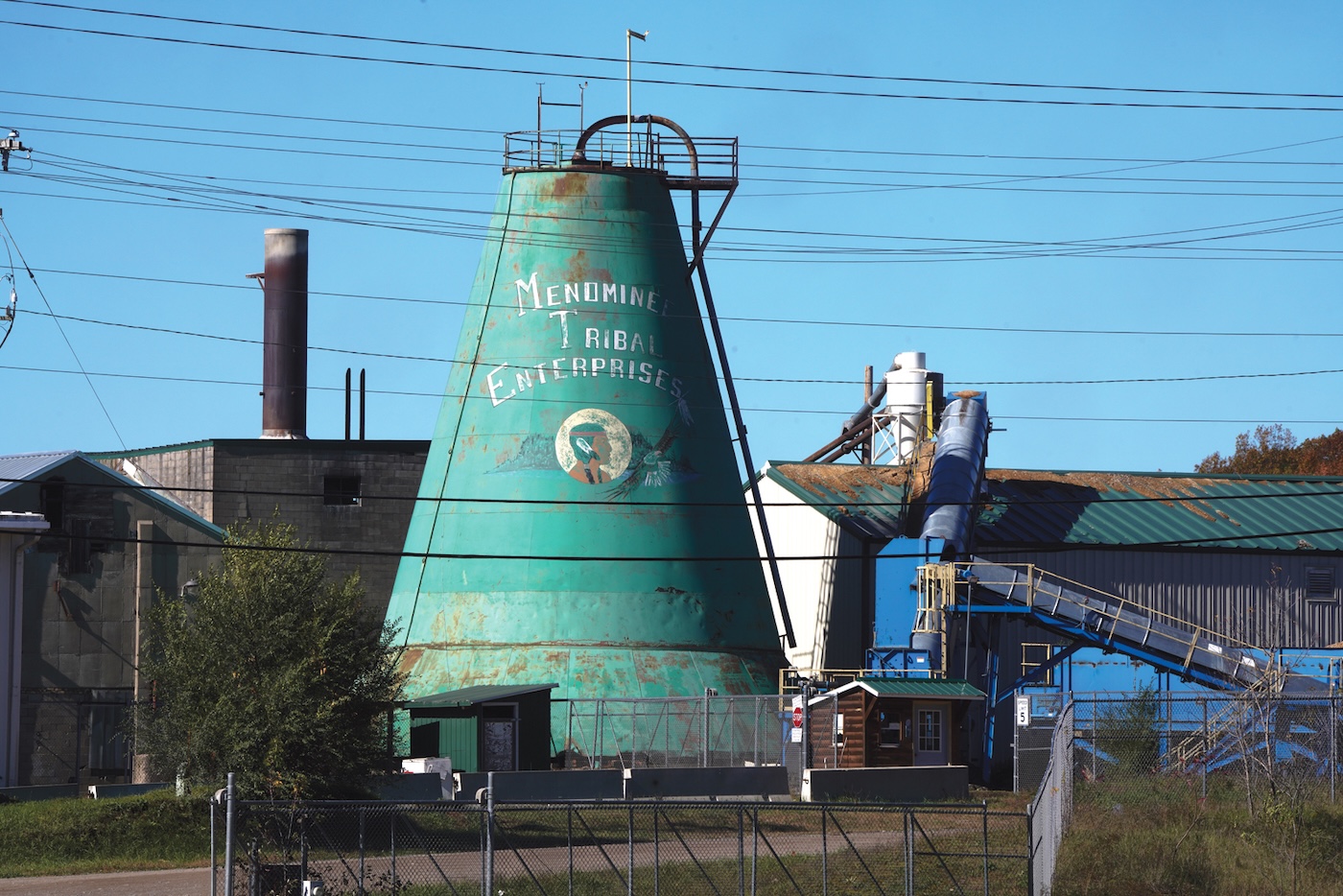
The backbone of the tribal economy has been its forest product industry. The Congressional Act of March 28, 1908, authorized the salvage of the downed timber and construction of the Neopit sawmill to maximize economic benefit to tribal members. More importantly, it further strengthened the sustained-yield concepts and strengthened harvesting practices established in the Act of 1890. (Greg Mellis | NEW Media)
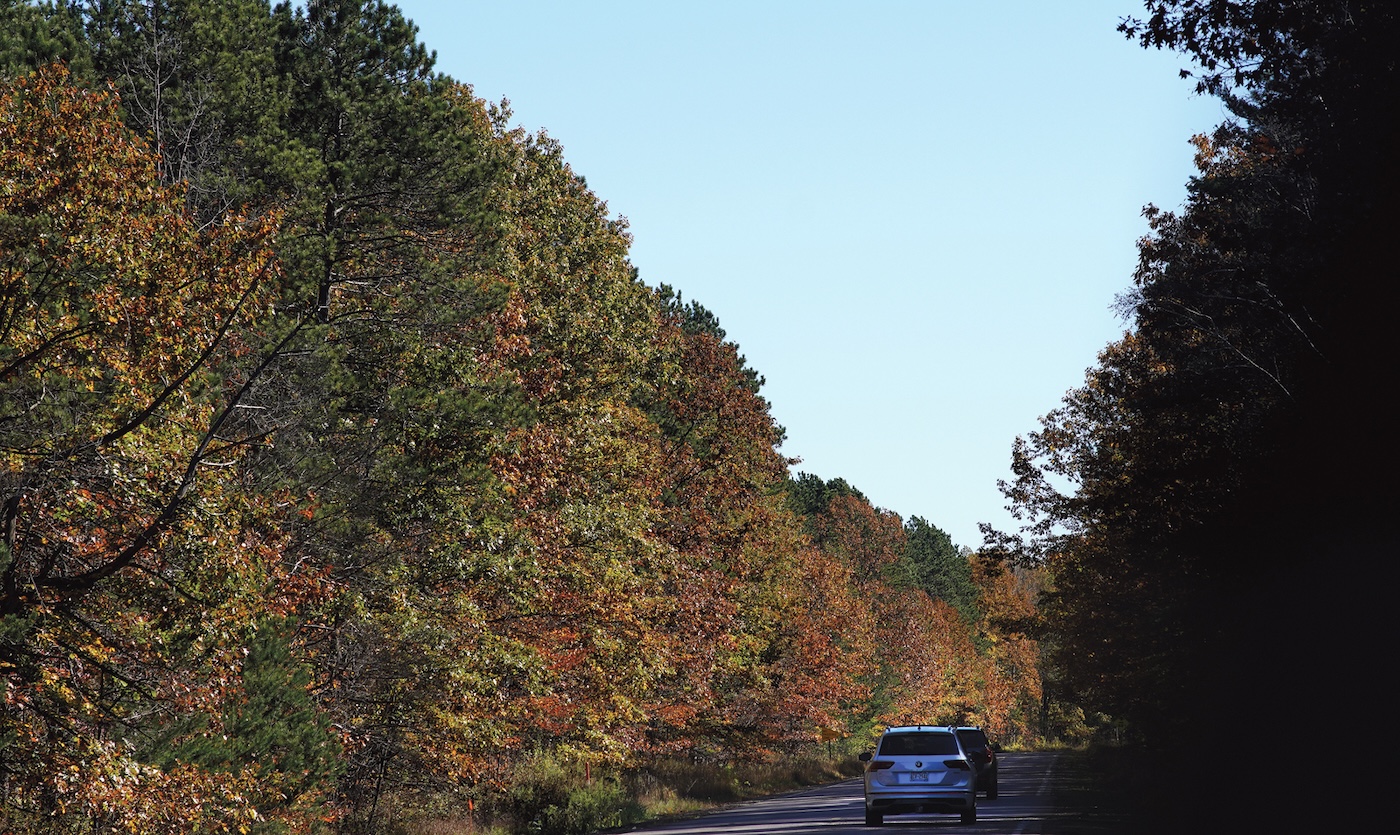
The sustainability practices employed by Menominee Tribal Enterprises allow the forest to replenish itself naturally, while still providing clients with all the lumber and wood they need. From rough cut and saw logs to veneer, to pulpwood and wood byproducts like wood chips and sawdust, MTE is a source for all lumber needs. (Greg Mellis | NEW Media)
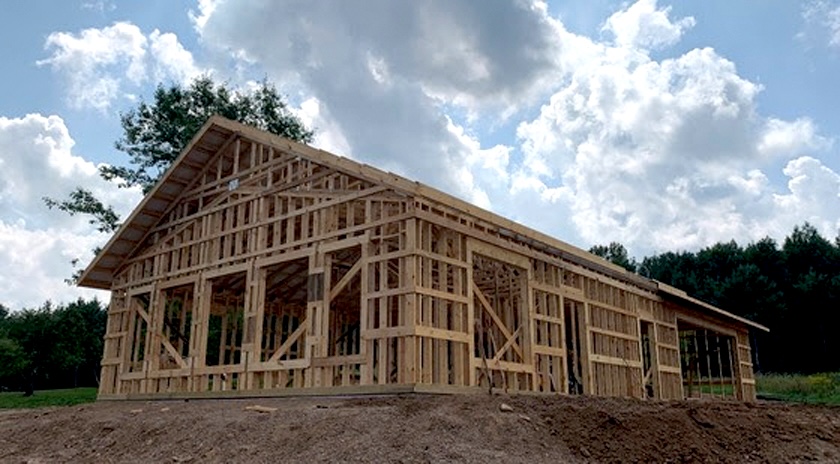
A $43.5 billion annual contribution to Wisconsin’s economy starts with the sustainable management and harvest of the 17 million acres of forests throughout the state. (Wisconsin DNR)


