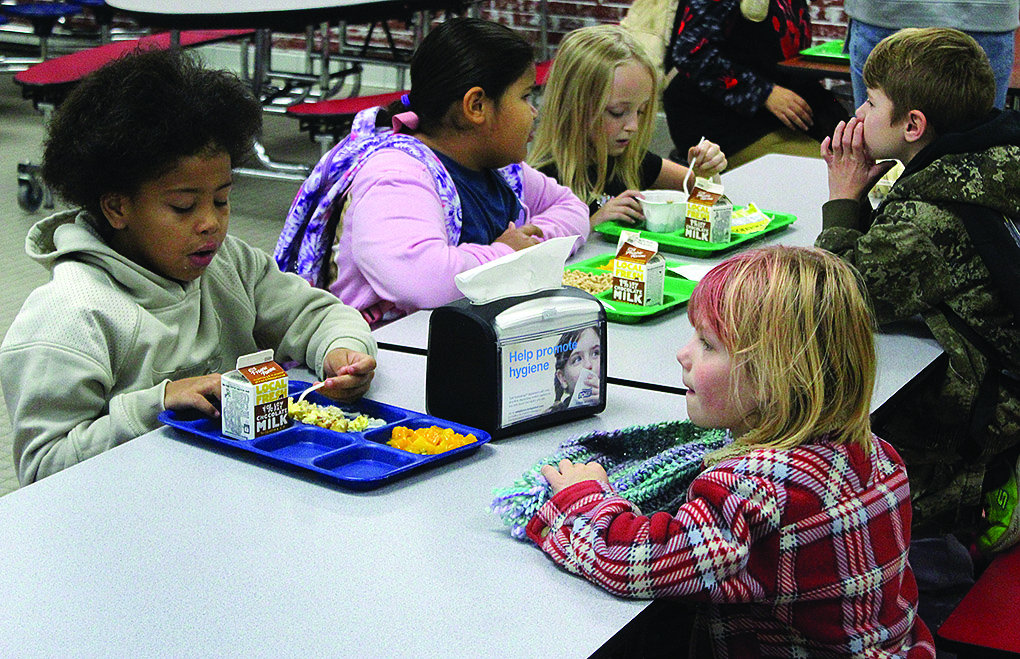
The Local Food Purchase Assistance program that helps entities to get fresh, healthy food from local farms has been discontinued by the U.S. Department of Agriculture, producing a mixed bag among area schools.
The program has bought local food primarily from socially disadvantaged farmers and distributing it to underserved communities via schools, food pantries, tribes and more. The announcement came in mid-March that the USDA is stopping this practice as federal programs in general are being shut down by President Donald Trump.
The Bowler School District had begun to explore the potential of participating in the program, according to Superintendent Glenda Butterfield-Boldig, and officials had even found a producer to partner with. The cancellation of the program has put the district in limbo.
“We were in the process of engaging with local farmers for meat and fresh fruits and vegetables, but now will need to reconsider if we have the funds within our food service budget to support local producers,” Butterfield-Boldig said.
The district’s food service director, Karen Rades, has always tried to practice scratch cooking when preparing school meals as opposed to using pre-packaged food, according to Butterfield-Boldig. The director prefers using whole foods whenever possible to avoid exposure to preservatives and unhealthy ingredients.
“Elimination of this funding will have a negative impact on our ability to help students develop healthy eating habits and their ability to experience foods that may not otherwise be available in their homes,” Butterfield-Boldig said.
Another problem is that the farm to school program would have helped the district come into compliance with the USDA’s Buy American Provisions.
“Among other things, these provisions require school food authorities to limit the percent of total commercial food costs from non-domestic foods over the next seven years,” Butterfield-Boldig said. “This percentage is less than 10% beginning July 1, 2025, and gradually reduces to a cap of 5% by July 1, 2031. The ability to buy locally, reducing transportation and processing costs could help us reach these goals, but the elimination of funding to initiate and solidify these partnerships puts that at risk.”
Tigerton School District is not currently part of the USDA program this year, but it did receive a grant two years ago, according to Superintendent Douglas Nowak. He said the $14,000 received went into purchasing fresh fruits and vegetables and made it easier to access seasonal goods during the short growing season, getting more food than what the district could acquire with its own funds.
“Through this, we built a relationship with a local farmer, Terry Mares, and an apple orchard, Wilson Creek,” Nowak said. “Now, we purchase directly, but the funds were not offered again this year.”
Gillett School District also is not receiving funds from the food program, but when it received money in the 2023-24 school year, the first year Gillett received the money, $3,000 worth of free produce was able to be funneled to the schools for their meals.
lpulaski@newmedia-wi.com
USDA ends program that helps schools get food