The Wisconsin Department of Natural Resources (DNR) reminds Wisconsinites of the protected tribal right to fish in certain Wisconsin waterways and the legal consequences they could face if found interfering with that right during the upcoming Ojibwe spring fishing season.
“The Wisconsin DNR fully supports Ojibwe sovereignty and treaty rights,” said DNR Deputy Secretary Steven Little. “We encourage tribal citizens to get out and exercise their treaty rights. Likewise, we remind the public that it is illegal to interfere with this right and have zero tolerance for harassment.”
Each tribal fishing season, tribal citizens harvest using various methods, including spearing and netting. The harvest usually begins shortly after the ice melts, typically by mid-April. This year, the season is expected to begin earlier due to the mild winter Wisconsin has experienced. The tribal harvest is not a date-regulated activity; as a result, there is neither an open nor closed season.
“For Ojibwe families, the spring season is a brief opportunity to harvest walleye and other species from Ceded Territory waters,” said Jason Schlender, Great Lakes Indian Fish and Wildlife Commission (GLIFWC) executive administrator. “But the benefits of eating healthy meals for Ojibwe communities lasts throughout the year, from household kitchen tables to elder nutrition programs.”
Part of the collaboration between the DNR and the Ojibwe tribes includes working together to set a safe harvest limit for every walleye and muskellunge lake in the Ceded Territory. These safe harvest limits ensure that the walleye and muskellunge harvests do not adversely affect each lake’s fishery.
There are 2,300 lakes larger than 25 acres in the Ceded Territory, including 919 walleye lakes and 623 musky lakes. Each year, the Ojibwe tribal citizens fish a portion of these lakes outside of reservation boundaries during their spring harvest season.
Harvest begins shortly after the ice melts, with nightly fishing permits issued by the tribes to their members to harvest a specific number of fish, including one walleye between 20 and 24 inches and one additional walleye of any size.
All fish that are taken are documented each night by tribal clerks or wardens who are present at boat landings. Once the declared harvest is reached in a given lake, no additional permits are issued for that lake, and the harvest ends.
Tribal rights
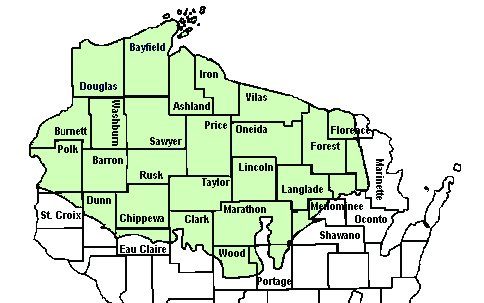
In the mid-1800s, the Lake Superior Ojibwe Tribes ceded more than 22,000 square miles of tribal territory across northern Wisconsin, including all or parts of 30 counties, through a series of treaties with the United States federal government.
The northwestern portions of Shawano, Menominee and Oconto counties are part of the Ceded Territory.
When the Ojibwe ceded lands to the federal government, they maintained their rights to hunt, fish and gather off reservation land within the Ceded Territory. However, after Wisconsin became a state, state and local officials frequently assumed statehood superseded Ojibwe treaty rights and regulated or prohibited off-reservation hunting, fishing and gathering by tribal members.
In 1983, a federal court ruling reaffirmed the Ojibwe had the right to hunt, fish and gather off-reservation in the Ceded Territory — including the right to catch fish by spearing and netting.
Interfering with tribal rights
To assist in regulating those activities, 11 Ojibwe bands have formed GLIFWC, which provides fully trained wardens who patrol the Ceded Territory to make sure tribal citizens are following applicable tribal conservation laws. Violations are cited into tribal courts for prosecution.
Ojibwe spearing and netting are carefully monitored and regulated by staff from both GLIFWC and the Wisconsin DNR.
Anyone violating tribal rights could be charged under several Wisconsin laws, fined up to $10,000 and sentenced up to nine months in prison. Additionally, any tribal member whose rights are violated may bring civil action for damages and seek a restraining order.
Ojibwe spring fishing season starting soon