
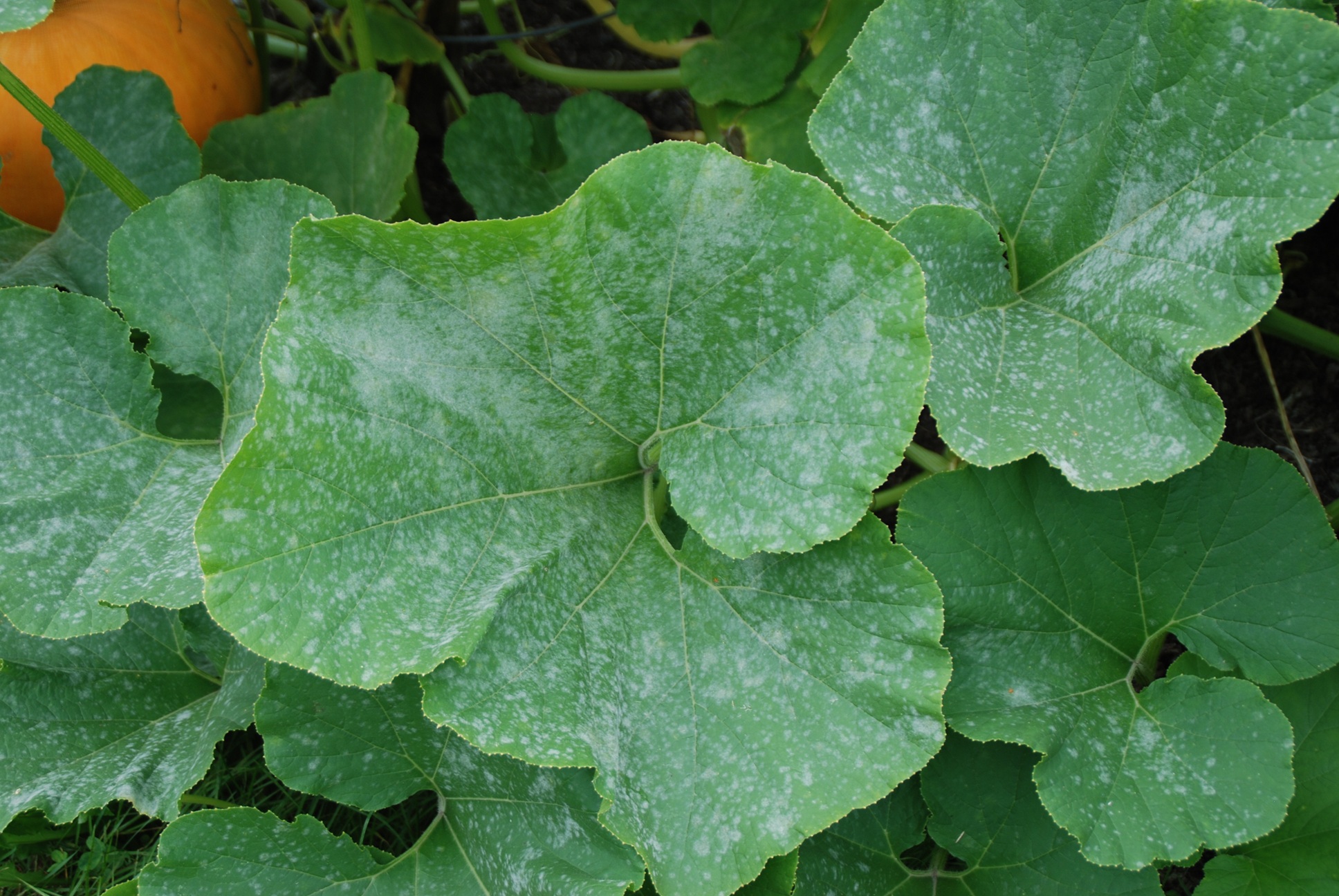
Whether gardening indoors or outdoors, gardeners are likely to encounter powdery mildew on one or more of their plants.
First, a white powdery substance will appear on the surface of leaves, stems and flower petals. As the powdery mildew expands and covers the leaves, it blocks sunlight from reaching the leaves inhibiting photosynthesis. As the disease progresses, it develops structures that enter plant cells to obtain nutrients. It usually is not fatal, but severe infestations can cause plant leaves to yellow, twist and discolor, and the plant may decline.
Several closely related fungi are responsible for the group of diseases called powdery mildew. Different species of powdery mildew fungi attack different plants. If the weather conditions are right and the various fungi are present, gardeners may find powdery mildew on a variety of plants in their landscape or indoor garden.
Watch for powdery mildew on azaleas, crabapples, dogwoods, lilacs, photinia, roses, coral honeysuckle vines and other trees, shrubs and vines. Check beebalm, dahlias, peonies, phlox, zinnias, cucumbers, squash and other susceptible plants in gardens. Indoors, especially during the winter, monitor African violets, begonias, ivies, jade and kalanchoes that may develop this disease.
Unlike many fungal diseases, powdery mildew fungi need high humidity, not wet leaves, to develop. Their spores also form in high humidity and are distributed when the humidity is low.
Powdery mildew is more likely to occur on indoor plants growing in low light with poor air circulation and cooler temperatures near 70 degrees. Although the disease is more common in winter, the disease can occur anytime these conditions exist.
Reduce the risk of powdery mildew by keeping plants healthy and avoiding overfertilization. Provide plants with the needed light and other preferred growing conditions. Properly space landscape plants and avoid overcrowding plants, indoors and out, to provide sufficient light penetration and air circulation.
Water new plantings thoroughly and often enough to keep the roots moist. Gradually reduce the frequency to encourage the plants to develop a robust root system. Continue to water established plants thoroughly as needed during dry weather.
Further decrease the risk of this disease with a bit of spring thinning on phlox and beebalm. Remove about one-fourth of the phlox and beebalm stems in early spring to allow more air and light to penetrate the plant. This strategy will encourage sturdier stems and discourage disease problems.
Select mildew resistant varieties of these and other plants prone to this disease. Resistant plants are not immune but are less likely to develop the disease than those that are not.
Practice sanitation by removing infected leaves and plant debris where the fungal spores overwinter. As temperatures rise above 60 degrees, the spores may begin to germinate.
With proper care and sanitation healthy perennials, shrubs and trees, especially those infected late in the growing season, will return the following year. Masking the diseased foliage with a somewhat shorter plant is one way to enjoy the flowers while dealing with the disease. If opting to treat the disease, select the most eco-friendly product, apply it at the first sign of the disease and repeat as directed. As always, read and follow label directions.
Melinda Myers has written more than 20 gardening books, including the “Midwest Gardener’s Handbook, 2nd Edition” and “Small Space Gardening.” She hosts The Great Courses “How to Grow Anything” streaming courses and the nationally syndicated Melinda’s Garden Moment radio program. Her website is www.melindamyers.com.


