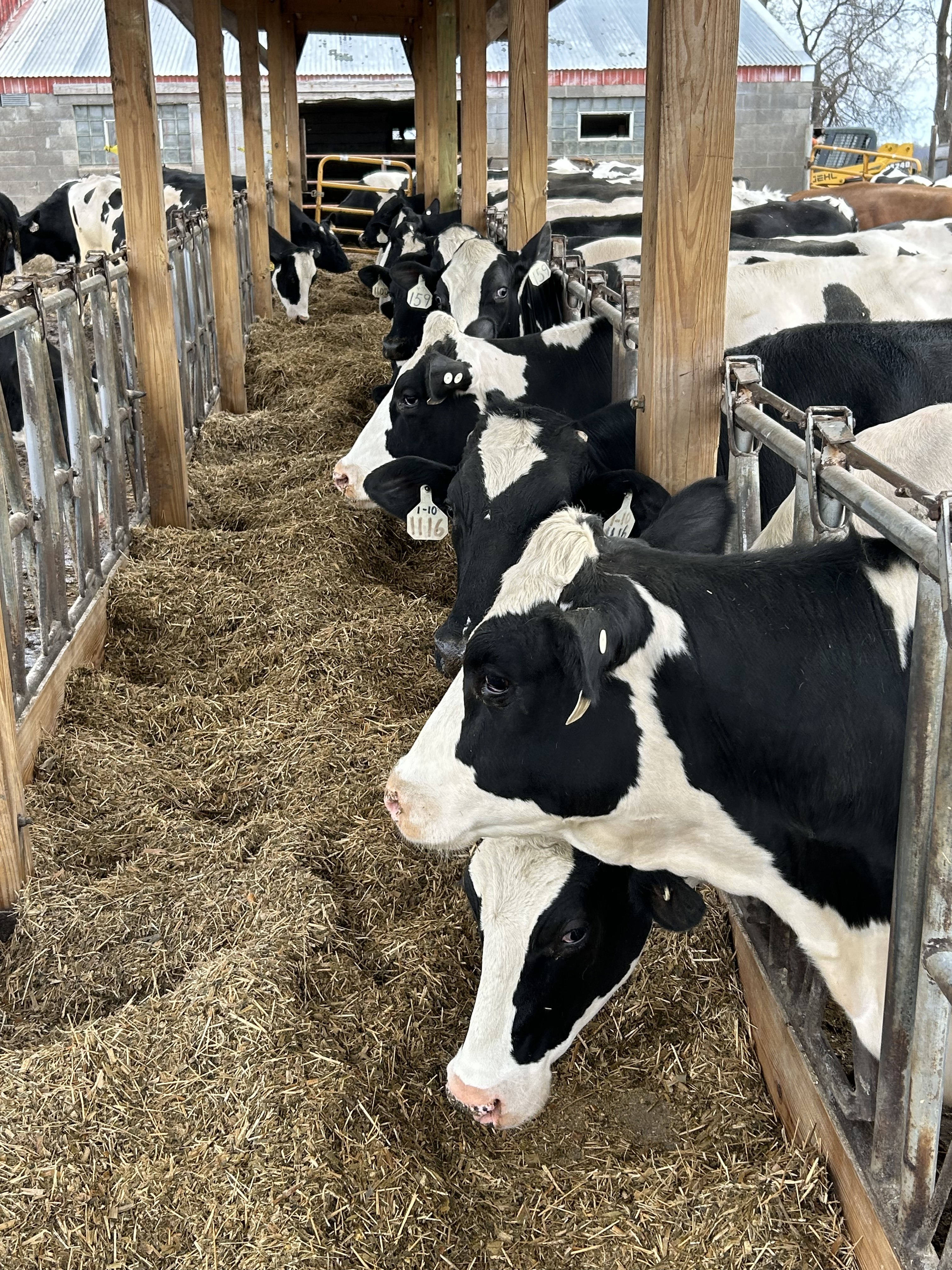
After getting removed from the cow barn, the downed cow was lying in back yard. Ears drooping, eyes sunken in their sockets, large and unseeing — she was breathing, but barely.
My heart broke for her. Such a good cow. Sadly, she had fallen and split herself and consequently had to be put out of her misery when the rendering truck drove in. As soon as she had been brought into the yard, I hauled a pail of water out to her. I knew in just a little while she’d be in no more pain, but in the meantime I wanted to give her some relief.
That day when the rendering truck arrived, I got busy with things deep inside the house. I didn’t want to see or hear what he did. Oh, I knew. I just didn’t want to witness it. This truck always looked like the grim reaper to me. An ugly, boxy thing, it filled me with dread whenever it came down the driveway. The guys (bless their heart, somebody had to do it) wore blank, withdrawn expressions. Like get in, get out, get it over with.
Back in those days when we’d lose a cow, I’d literally cry. I know my husband felt bad, but I was the one who was visibly shaken. These cows, we gave so much of ourselves to them. They were literally our bread and butter, and when they did well, we did well. So it was in our best interest to keep them as healthy as we could.
This particular cow I remember had come down with milk fever after giving birth, which happens sometimes and can usually be treated with calcium if given intravenously right away. This cow had gone down and split herself, which meant she wasn’t able to get up. Calcium has to get into them before they get injured.
My husband intuitively knows cows, but it happened occasionally, no matter how careful we were, that we’d lose a couple. He always kept meticulous records when we were dairying so we knew when the cow was bred, if she stuck (didn’t come back in heat in her next cycle) and when she was supposed to give birth.
Many times after night chores we’d bed down a pregnant cow in the birthing pen — the back of the barn by the big double doors going out to the cow yard. We’d clean and lime the floor so it wouldn’t be slippery (less chance of splitting/injuring herself), and then shake out a couple wafers from a straw bale. It was fresh and comfy.
He’d stuck a gate in front of the doors so she had room to be restless. Normally in the morning, we’d find momma and her fuzzy, fresh-licked, brand-new calf lying by her side, her swollen udder harboring nutritious colostrum. Normally, but not always.
One predawn morning as we walked into the barn, we knew momma had given birth, evidenced by a round pile of steamy afterbirth in a corner of the birthing pen. What wasn’t there was the calf. Looking all over we discovered it had somehow slid outside the pen, gotten through the doors and was lying shivering, but alive, out in the cow yard.
As soon as the weather warmed, we’d let cows out overnight in the pasture. No cleaning barn every day, no bedding cows, it was all just so liberating. The only con to the whole outside-overnight gigs was if a cow calved, we’d have to find the cow and calf. Out there somewhere.
In the mornings, the rest of the herd would instinctively trod their way into the barn right away and wouldn’t you know, the new momma would be missing-in-action.
Because he’d have to start milking, he told me with a half-smirk, “You’ll have to go get that cow.” He knew I hated going out in the cow pasture in the predawn dark to try to find a cow and her calf.
While tending cows was an intricate part of our life, my husband had never allowed them to take priority over supporting our kids’ events. He’d get up at 3:30 a.m. to start milking, and I’d come a bit later. He did all the milking and I’d feed the milk-bottle-fed and pail-fed calves, clean calf pens and feed outside heifers. Back in the day, we’d had an open skidder with no heat. In the dead of winter, I’d warm up an old blanket in the milk house and, just before feeding, lay it across my lap. It helped.
After milking, I’d wash up milkers while he fed cows. It was an arrangement that worked for us. Evening came and we’d do it all over again. Because we’d started at 3:30 a.m. we could start late afternoons, getting to all our kids’ events on time.
Our job was to keep the cows in our care healthy and comfortable. While working around our kids’ schedules and despite a few drop-ins from the grim reaper, we did the best we could.
(“For every beast of the forest is Mine, the cattle on a thousand hills. I know all the birds of the hills and all that moves in the field is Mine.” Psalm 50:10-11)
FARM LIFE FROM A FARM WIFE: Cow care can be an emotional occupation