As we approach the end of the year, it is a time of reflection. As a result, we often set new goals for ourselves. Get in shape. Learn something new. Help out the world in some way. The problem is we don’t always know how to go about accomplishing these goals. What if I were to tell you I know a great way to achieve all three?
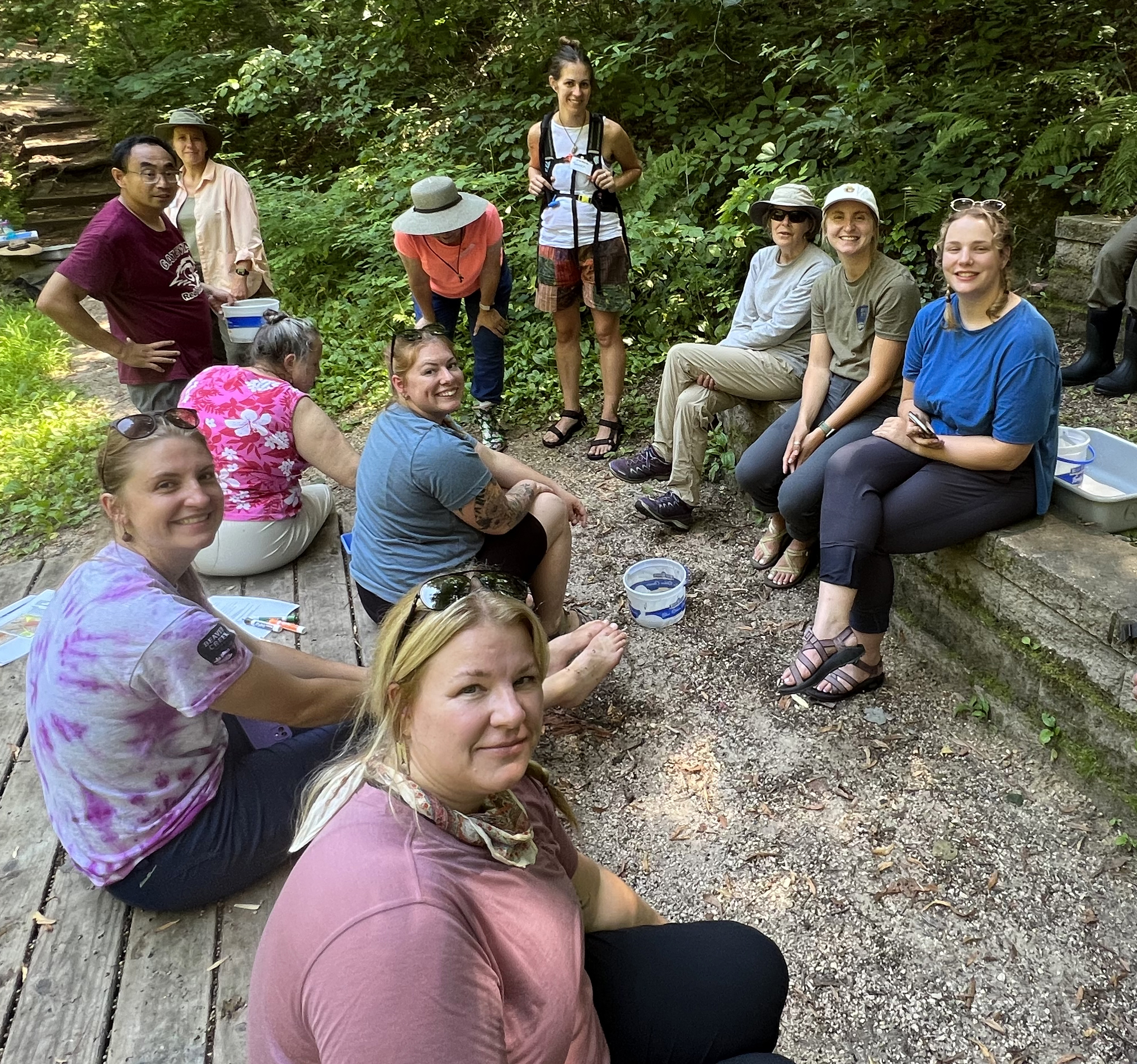
Join me in becoming a Wisconsin master naturalist. A master naturalist is a certified volunteer who helps take care of Wisconsin’s natural resources. You prepare by completing a 40-hour training program consisting of a series of expert-led, classroom sessions and field experiences focusing on a broad understanding of geology, ecology, wildlife, plant communities, water, aquatic life, human connections and environmental education.
I completed this training last summer. The words “training program” may sound scary, but let me tell you there is nothing to be afraid of. In fact, it was like summer camp for nature-loving adults. I enjoyed climbing rock formations, foraging the forest floor, wading barefoot through a cool stream to check for water quality, and viewing the night sky using powerful telescopes. My two favorite topics were witnessing bird banding and catching butterflies for data collecting.
There were 18 Wisconsin master naturalist training programs offered this year at various locations throughout the state with a variety of scheduling options. Although each training session is unique based on the location, field experiences and guest experts, the key concepts remain consistent. Training programs for 2024 are listed at https://wimasternaturalist.org/trainings/volunteer-training.
I completed my training at Beaver Creek Reserve in Fall Creek, a reserve with over 400 acres of woods, rivers, and marshes. Beaver Creek Reserve also has a butterfly house and Hobbs Observatory. It was a great opportunity to learn there. The best part of the training was the instructors; they were friendly, kind and patient. They brought in very knowledgeable experts to help.
Part of the training is to participate in a group capstone project. I chose to catch butterflies and record data about them. We set out armed with clipboards and butterfly nets. I hadn’t held a butterfly net in 50 years. It was like going back in time.
There was no problem finding butterflies; the problem was catching them. We chased the butterflies through the prairie, jumping over tall grasses, swinging our nets left and right, but to no avail. So humiliating. Our classmates thought we were quite entertaining. I don’t remember having this problem when I was younger.
Eventually, we caught enough butterflies to collect the data we needed. We even captured a giant swallowtail, the largest butterfly in North America.
Once trained, master naturalists volunteer 40 hours of service and complete eight hours of advanced training each year to maintain certification and receive a recognition pin. You will be given access to a website that lists all of the advanced training and volunteer opportunities available and people to help you at any time.
The volunteer opportunities are split into these three categories: education/interpretation, citizen science and stewardship. Education/interpretation supports opportunities for learning such as making brochures or teaching a small group about butterflies. Citizen scientists gather data such as bird banding or bat monitoring. Stewards help take care of Wisconsin’s land and water such as pulling invasive plants and maintaining trails.
As a retired teacher, I thought about volunteering in the education/interpretation area, but the reason I chose to become a master naturalist is to try new things out in nature. If you’ve read my other columns, you know I’m a bird nerd; therefore, some activities I hope to do are to help in bird counts, participate in bird banding and assist on birding tours.
You will be able to find something that you enjoy doing, too. There are a wide variety of volunteer opportunities in each of those three categories, and next year more core subject areas will be added including sections on weather and climate, natural history and a section devoted to fostering the sense of community in the master naturalist network.
I feel so honored to be a part of this community of people who care for Wisconsin’s natural world. As Margaret Mead once said, “Never doubt that a small group of thoughtful, committed citizens can change the world. Indeed, it is the only thing that ever has.”
So this year, as you are contemplating your new year resolutions, consider becoming a Wisconsin master naturalist. You will get plenty of exercise, learn new things, meet like-minded people and help to make our part of the world a better place.
Lisa Jansen is a Wisconsin master naturalist, nature writer, and award-winning photographer. She specializes in raising awareness of birds and butterflies of the Midwest.
Master naturalists learn about world around them