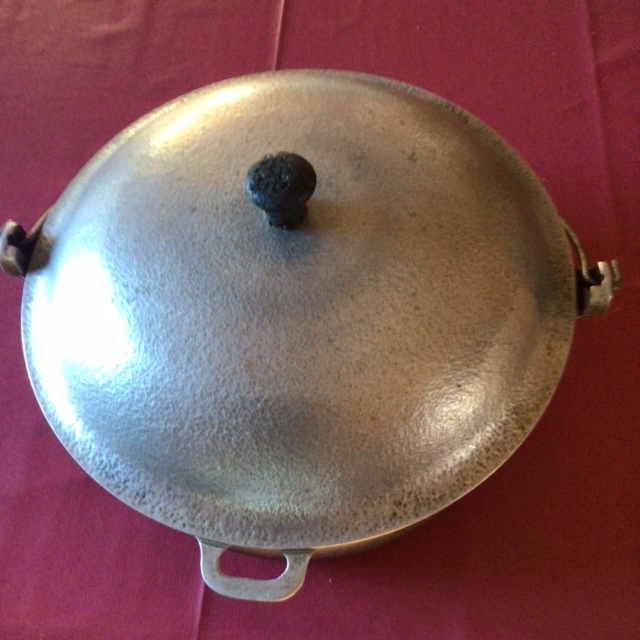
While relating a fascinating piece of family history, my father told me the decision to emigrate to America began taking shape for my ancestors John George Holzschuh and his wife, Anna Maria, in 1850. As they contemplated the prospective trip, one burning question demanded an answer. America was a huge place — wild, unfamiliar, fearsome. If they did go, where would they settle?
The whole village weighed in on their deliberations. Some called it reckless, foolhardy, madness — siding with her mother, who was vehemently opposed to the whole idea. Devoutly Roman Catholic, she stormed heaven, asking all the Saints to intervene and keep her daughter where she belonged, with her family in Bavaria. Many others praised John George’s mettle, envious of his pluck and wishing they could go, too.
Desperate for an answer, John George beseeched the Blessed Virgin Mary for a sign, a strategy I evidently inherited, because I always ask God for a sign when faced with an important decision. The answer came in the form of a newspaper advertisement he happened upon.
The ad touted the virtues of Wisconsin, a new state in the Union promising cheap land and endless opportunity for hard-working immigrants. All a man had to do was prove he was debt free, in good health and of sound character. Oh, yes, and he would need $60 cash for passage to New York and another $40 to cover expenses involved in reaching Wisconsin. Times two, of course.
John George was certain he had his sign and began to plan in earnest. The best resource available was “The Emigrant’s Handbook and Guide to Wisconsin.” His heart must have soared when he read, “Wisconsin is one of the great communities, bound together for civil and religious liberty, a place in the vanguard of all the nations on earth to lead the march of human progress. We welcome you … our land is broad; we need your aid to occupy it.”
It took John George six years to save the money, but by March 1856, he and Anna Maria were ready to set sail to America. I always get emotional when I picture the scene on that dock in Bremmen. Imagine saying farewell to your loved ones, knowing you will never see them again. Imagine you’re a parent, a sibling, a neighbor or a dear friend left behind.
One last embrace, one last wave of farewell, one last long look as the ship leaves the harbor, taking your most valued possession away forever. It must have been of small comfort to know that your only contact would be precious letters that could take months to be delivered.
For John George’s mother, there was a double heartache that day; her daughter Margaretha had decided to go with her brother and Anna Marie. She, too, had read the Emigrant’s Handbook: “There is a dire shortage of the fairer sex in Wisconsin, and an overabundance of eligible bachelors. Prospective males are quite willing to advance the fare.”
My father said Margaretha wasn’t exactly a mail order bride. She could reject her “eligible bachelor” once she arrived, but she was from a large family with limited resources. This was the only way she could get the money to finance the trip. It was a good decision. She met and married Johann Walter very shortly after arriving in Wisconsin.
By 1858, large steamships were the vessel of choice for American immigrants, but the Holzschuhs made their journey on a freighter powered by the wind. It must have taken them some time to load. They had to bring provisions for at least six weeks, as well as whatever personal possessions space would allow. John George packed his shoemaking lasts, and the women took cookware as they were expected to help in the galley. I like to think Anna Maria used my golden pot made of iron as she and her sister-in-law were turning heavily salted meat, dried foods and root vegetables into passable meals.
It must have been exhilarating as they got underway, tossing their sadness and fears overboard, oblivious to the hardships ahead. They expected to be seasick, but even the strongest and healthiest aboard ship could fall victim to a fatal accident. Fever, scurvy, trench mouth, ulcers, digestive ailments and mysterious swellings spread quickly in the damp, cramped quarters below deck where fresh air and proper sanitation were nonexistent.
One strictly-enforced rule, which seems cruel but saved many lives, required that even the sickest had to spend all daylight hours on deck. If you died, the ocean provided a quick and convenient final resting place. Most of those interred were victims of a vicious predator that stowed away on every single voyage, an efficient, equal-opportunity killer — cholera.
(To be continued)
Kathleen Marsh is a lifelong educator, writer and community advocate. She has published eight books, four on the history of Townsend, where she and husband Jon are happily retired on the beautiful Townsend Flowage.
Golden pot made of iron useful on journey