
When most people think about back pain, they think about discomfort, stiffness or difficulty getting through everyday activities. But research suggests that some back pain may have a much greater impact than many people realize.
Studies have found that severe or ongoing back pain is associated with a shorter lifespan, with the average middle-aged adult potentially losing nearly two years of life. While back pain itself isn’t the direct cause, the effects it has on overall health can add up over time.
One major factor is increased reliance on pain medications. Whether over-the-counter or prescription, long-term use carries varying risks and potential side effects that can impact overall health and well-being.
Chronic pain also takes a toll mentally and emotionally. Living with constant discomfort can make it difficult to enjoy daily life, participate in favorite activities or maintain a positive outlook. Over time, persistent pain is closely linked with increased rates of depression and other mental health challenges.
Another concern is the decline in physical activity. When movement hurts, it’s natural to do less. Unfortunately, reduced activity can lead to weaker muscles, poorer endurance, decreased mobility and lower overall fitness. Staying active is one of the most important factors in maintaining long-term health, making it essential to address the underlying causes of persistent back pain rather than simply managing symptoms.
As we age, chronic back pain can also contribute to balance problems and an increased risk of falls. Falls are a leading cause of injury among older adults, making strength, stability and proper movement patterns even more important for maintaining independence and quality of life.
The encouraging news is that there are proactive ways to improve function and overall health. Spinal rehabilitation focuses on identifying areas of weakness, reduced endurance and movement limitations that may be contributing to ongoing pain. Through personalized rehabilitation strategies, people can work toward improving strength, restoring stability and supporting healthier movement patterns.
Addressing back pain isn’t just about feeling better today — it’s about your future health. By improving spinal function, increasing physical resilience and helping you stay active, rehabilitation can play an important role in protecting your quality of life and your long-term well-being.
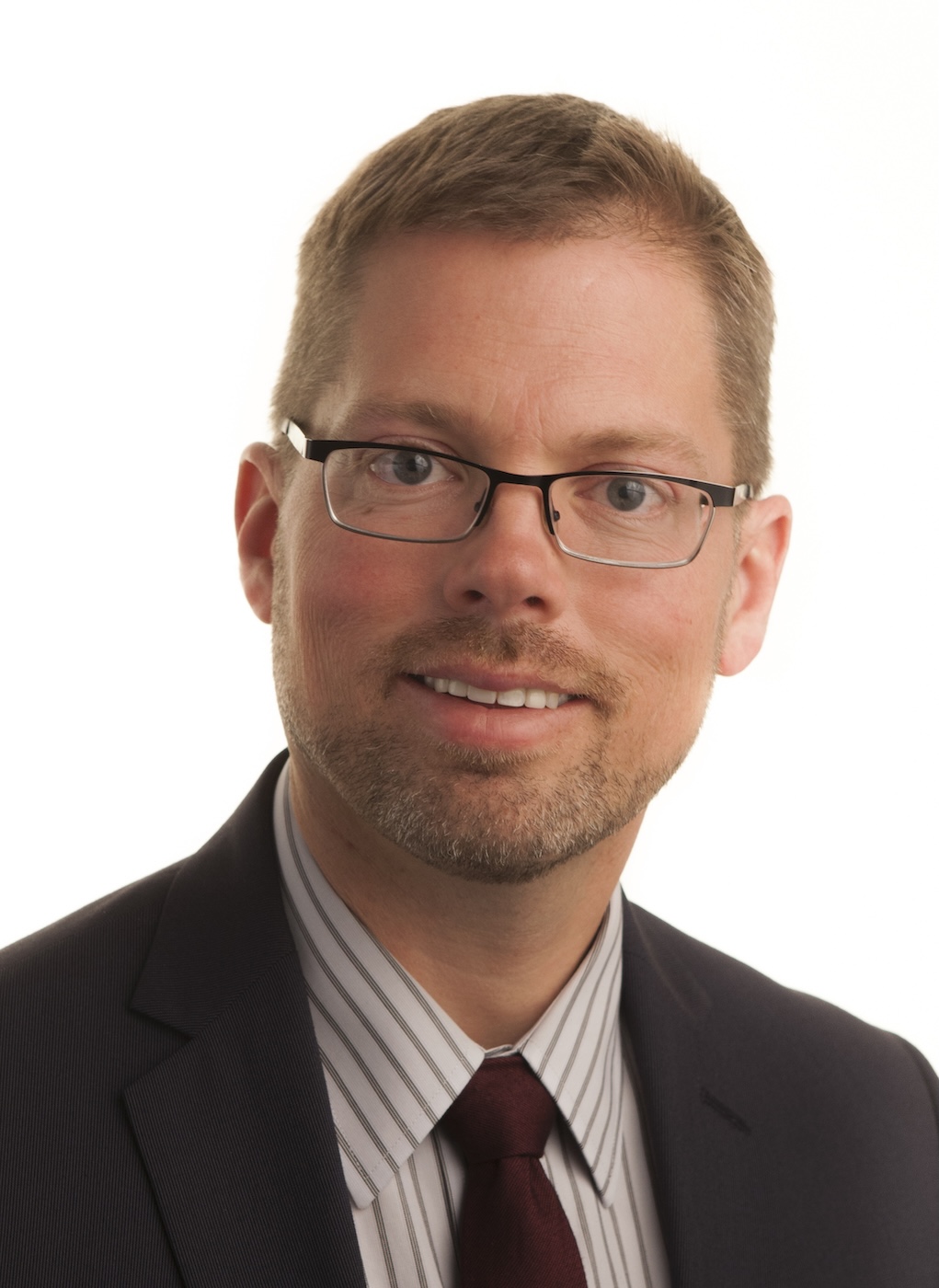
Dr. Brian Grieves is a doctor of chiropractic with a master’s in public health and a member of the Shawano Community Health Action Team. Call 715-524-8722 for more information.


