Many people have prescriptions scattered throughout the home in places like a medicine cabinet, pill holder, top of the dresser or even a kitchen cabinet.
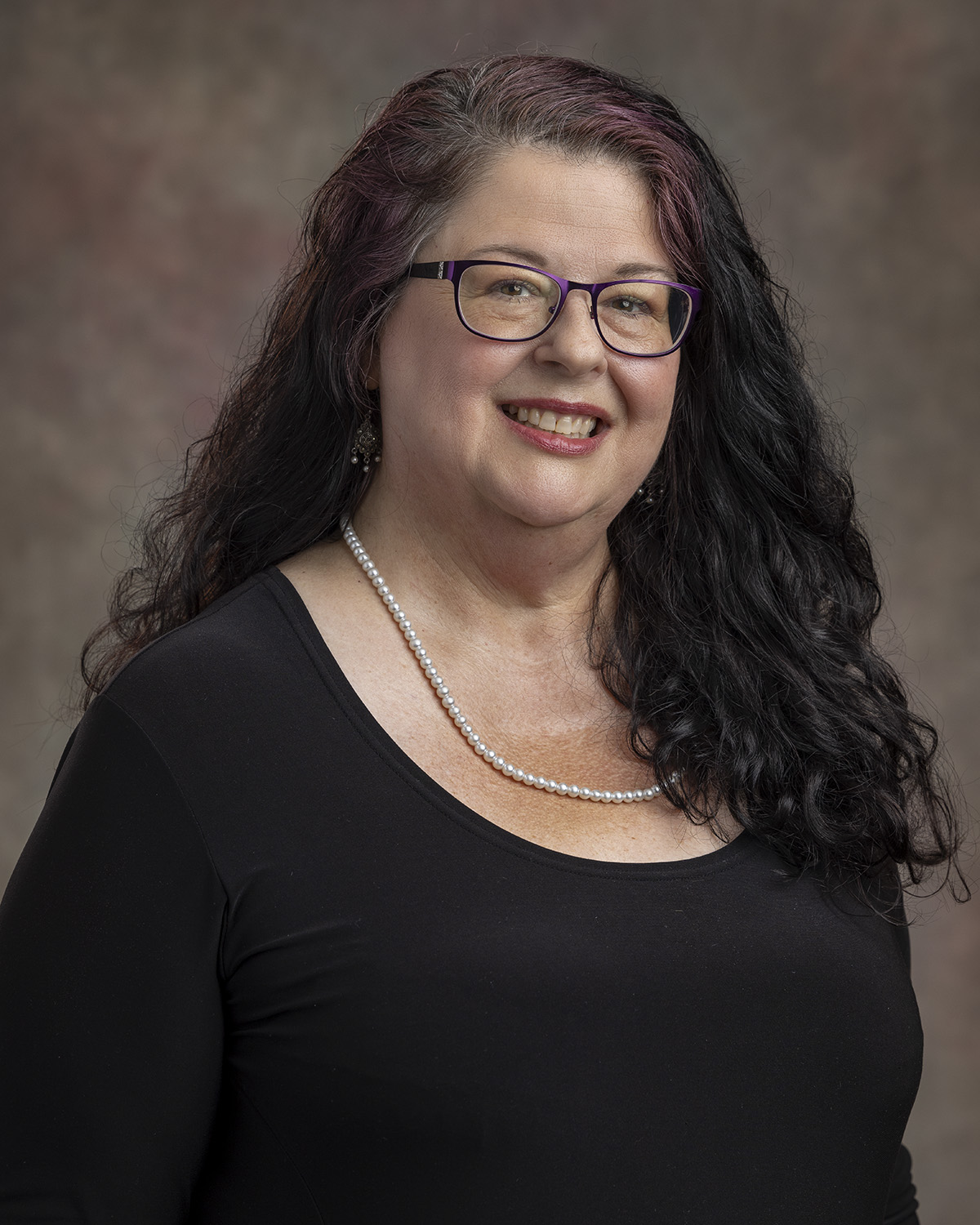
The start of the new year is a great time to take a medication inventory and inventory which prescription drugs should be updated and which ones are no longer needed, according to Dr. Suzanne Nadra Nouri Havican, a family medicine physician with ThedaCare.
“Many people I talk to have expired medications in their homes,” said Havican. “For a number of reasons, folks may choose to keep them on hand, but it is incredibly important to understand keeping expired medications around can be very dangerous.”
Updating medications at home is a key part of safeguarding personal health as well as the health and safety of others. One big concern doctors have is many unused medications can end up in the hands of those who should not have them. Despite childproof packaging, the Centers for Disease Control and Prevention said 50,000 children go to emergency departments each year as a result of taking medications that belonged to adults.
Even pets are at risk, with the American Society for the Prevention of Cruelty to Animals reporting over 20,000 calls a year due to pets eating prescriptions or medications meant for humans.
In particular, opioids should be disposed of properly to keep them out of the hands of children and others as they can lead to addiction or cause serious illness or death.
As a part of a community health initiative to combat opioid abuse, overdose and accidental poisoning in children, ThedaCare installed medication take-back drop boxes at several locations in 2019 to allow the community to safely dispose of unused medication, including at ThedaCare Medical Center-Shawano.
“Flushing unused medication down the toilet is a huge no-no, as drugs can contaminate the public water supply,” Havican said. “Dropping off your unneeded and expired prescriptions at the proper location will help protect your family and friends and our precious regional lakes and rivers.”
So what do you do? Take your unused medications and drop them into any of the permanent and secure medication take-back drop boxes, open 24 hours a day, seven days a week. Medication take-back boxes are also available at local facilities, such as police stations and pharmacies.
Items accepted include expired and no-longer-needed prescription drugs, over-the-counter medications, medicated ointments and non-aerosol sprays.
Items that are not accepted include needles, lancets, syringes, thermometers, IV bags, diabetes test kits, personal care products, inhalers and liquids.
Even if there are not children or other vulnerable people in the home, and even if the prescription drugs do not contain opioids, people should not keep expired prescriptions in their homes, Havican said.
“Expired medications often do not work as they were first intended; in certain circumstances, they can even cause you harm,” Havican said. “At your annual wellness appointment, your primary care provider should go over all of your prescriptions and medications. If they don’t, ask them to. You will be helping yourself and those around you.”
Havican encouraged all community members to make their health a priority in 2023.
“Make this new year the healthiest ever by talking to your primary care provider about your needed medications and what you can safely dispose of,” Havican said. “We’re here to answer your questions, keep you safe and healthy and empower you to live your best life.”
Good time to update meds, says ThedaCare